


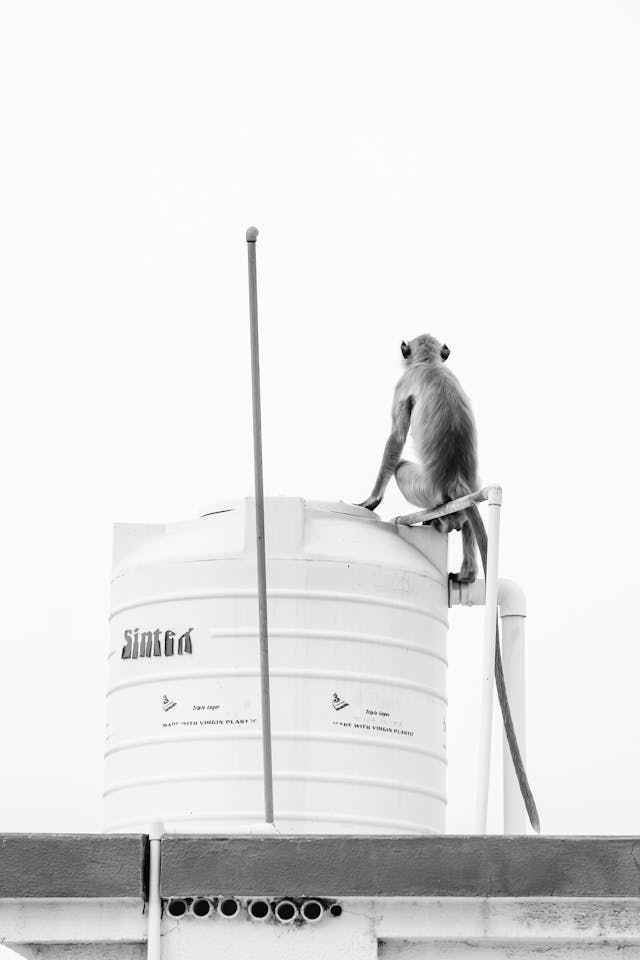
When considering solutions for storing water efficiently, water tanks and water storage tanks stand out as essential components for residential, agricultural, and industrial applications. These systems ensure a reliable supply of water in areas where water scarcity can be an issue, and they offer a sustainable approach to water management. By understanding the various types and applications of water tanks, one can make informed decisions that benefit both the environment and their water needs.
Water tanks have become an indispensable asset in modern water management strategies. Their versatility in storing large quantities of water makes them suitable for various uses, from household needs to extensive agricultural operations. Water storage tanks, in particular, provide a means to collect and conserve rainwater, which can then be utilised during dry periods or droughts. This not only reduces reliance on municipal water supplies but also promotes the sustainable use of natural resources.
There are several types of water tanks available, each designed to meet specific requirements. For instance, polyethylene tanks are popular due to their durability, lightweight nature, and resistance to rust and corrosion. These tanks are often used in residential settings for storing potable water. On the other hand, steel water tanks are known for their strength and longevity, making them suitable for industrial applications where large volumes of water need to be stored securely.
In agricultural contexts, water storage tanks play a crucial role in irrigation systems. Farmers can collect and store rainwater or groundwater in these tanks, ensuring a steady supply of water for crops even during periods of low rainfall. This practice not only helps in sustaining crop yield but also reduces the pressure on local water resources. Additionally, livestock farmers use water tanks to ensure their animals have a constant and clean water supply, which is vital for maintaining their health and productivity.
The installation of water tanks can also have significant economic benefits. For households, having a personal water storage system can lead to reduced water bills, as they can rely on stored rainwater for activities such as gardening, car washing, and even laundry. In commercial and industrial settings, the cost savings can be even more substantial, as large-scale operations often have high water consumption needs.
Moreover, water storage tanks contribute to disaster preparedness. In regions prone to natural disasters such as hurricanes, earthquakes, or floods, having a reserve of water can be crucial for survival. These tanks provide an emergency supply that can be used when the regular water infrastructure is compromised.
Environmental conservation is another critical aspect of using water tanks. By harvesting and storing rainwater, individuals and businesses can reduce run-off, which often carries pollutants into rivers and streams. This practice helps in maintaining the quality of natural water bodies and supports the overall health of the ecosystem.
In conclusion, water tanks and water storage tanks are vital for ensuring a reliable water supply, promoting sustainable water use, and providing economic and environmental benefits. Whether for residential, agricultural, or industrial purposes, these tanks offer a practical solution to water management challenges. Investing in the right type of water tank can lead to long-term savings, improved resilience to water shortages, and a positive impact on the environment.
Click the link below to find out more!
