


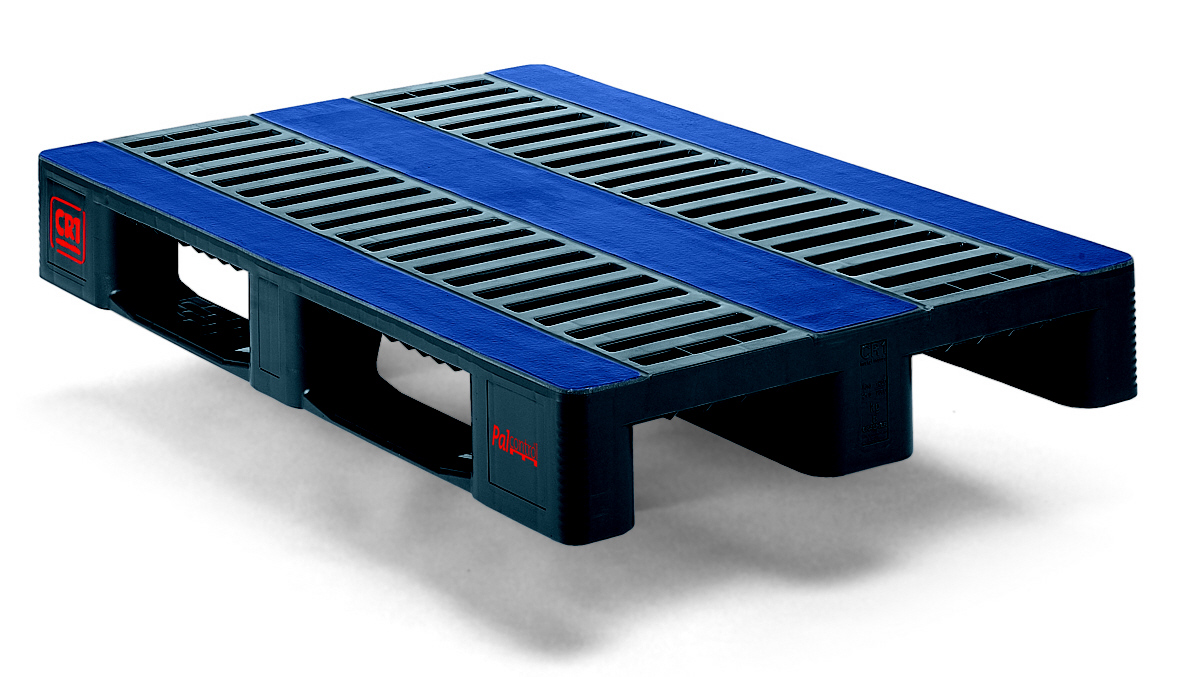
In the world of logistics and supply chain management, the choice of pallets plays a crucial role in determining the efficiency, safety, and sustainability of operations. Traditionally, wooden pallets have been the industry standard. However, a growing number of businesses are making the switch to plastic pallets, drawn by their numerous advantages. This shift signifies not just a change in material but a movement towards more sustainable and efficient logistics practices.
The Advantages of Plastic Pallets
Plastic pallets offer several key benefits over their wooden counterparts, which make them an attractive option for modern supply chains. These advantages include durability, hygiene, environmental impact, and cost-effectiveness.
Durability: One of the most significant benefits of plastic pallets is their durability. Unlike wood, plastic does not splinter, warp, or absorb moisture. This resistance to damage and environmental factors means that plastic pallets have a much longer lifespan, often lasting up to ten times longer than wooden pallets. This longevity translates to reduced replacement costs and less disruption in the supply chain due to damaged pallets.
Hygiene: In industries where hygiene is paramount, such as pharmaceuticals, food, and beverages, plastic pallets are a clear winner. They can be easily cleaned and sanitized, reducing the risk of contamination. Wooden pallets, on the other hand, can harbor bacteria, fungi, and pests, posing significant hygiene risks. The non-porous surface of plastic pallets ensures they do not absorb liquids, making them ideal for maintaining strict hygiene standards.
Environmental Impact: While the production of plastic pallets involves the use of petroleum-based materials, their long lifespan and recyclability contribute to a lower overall environmental impact. Many plastic pallets are made from recycled materials and can be fully recycled at the end of their useful life. This creates a closed-loop system that minimizes waste. In contrast, wooden pallets, despite being biodegradable, often end up in landfills due to contamination and damage that make recycling impractical.
Cost-Effectiveness: Although the initial cost of plastic pallets is higher than that of wooden pallets, their extended lifespan and durability lead to significant cost savings over time. Businesses benefit from lower replacement rates, reduced repair costs, and fewer disruptions in their supply chain operations. Additionally, the lighter weight of plastic pallets can reduce transportation costs and fuel consumption.
Applications and Innovations
Plastic pallets are versatile and can be used in a variety of industries and applications. Their consistent dimensions and lighter weight make them ideal for automated handling systems and robotic operations, which are becoming increasingly common in modern warehouses and distribution centers. Furthermore, innovations in plastic pallet design are continuously improving their performance. For example, some manufacturers are developing pallets with integrated tracking systems, allowing for better inventory management and real-time tracking throughout the supply chain.
The Future of Plastic Pallets
As the global economy continues to emphasize sustainability and efficiency, the demand for plastic pallets is expected to grow. Companies are increasingly recognizing the long-term benefits of investing in durable, hygienic, and environmentally friendly pallet solutions. The integration of advanced technologies, such as RFID tags and IoT connectivity, will further enhance the functionality and appeal of plastic pallets.
In conclusion, the shift towards plastic pallets represents a significant advancement in logistics and supply chain management. By offering a more durable, hygienic, and sustainable alternative to traditional wooden pallets, plastic pallets are set to play a pivotal role in the future of efficient and eco-friendly logistics operations. As industries continue to evolve, embracing such innovative solutions will be key to maintaining competitiveness and achieving long-term sustainability goals.
Click here to find out more!
Apart from this, if you are interested to read more about solutions for storing water, then explore our Home Improvement category.
