


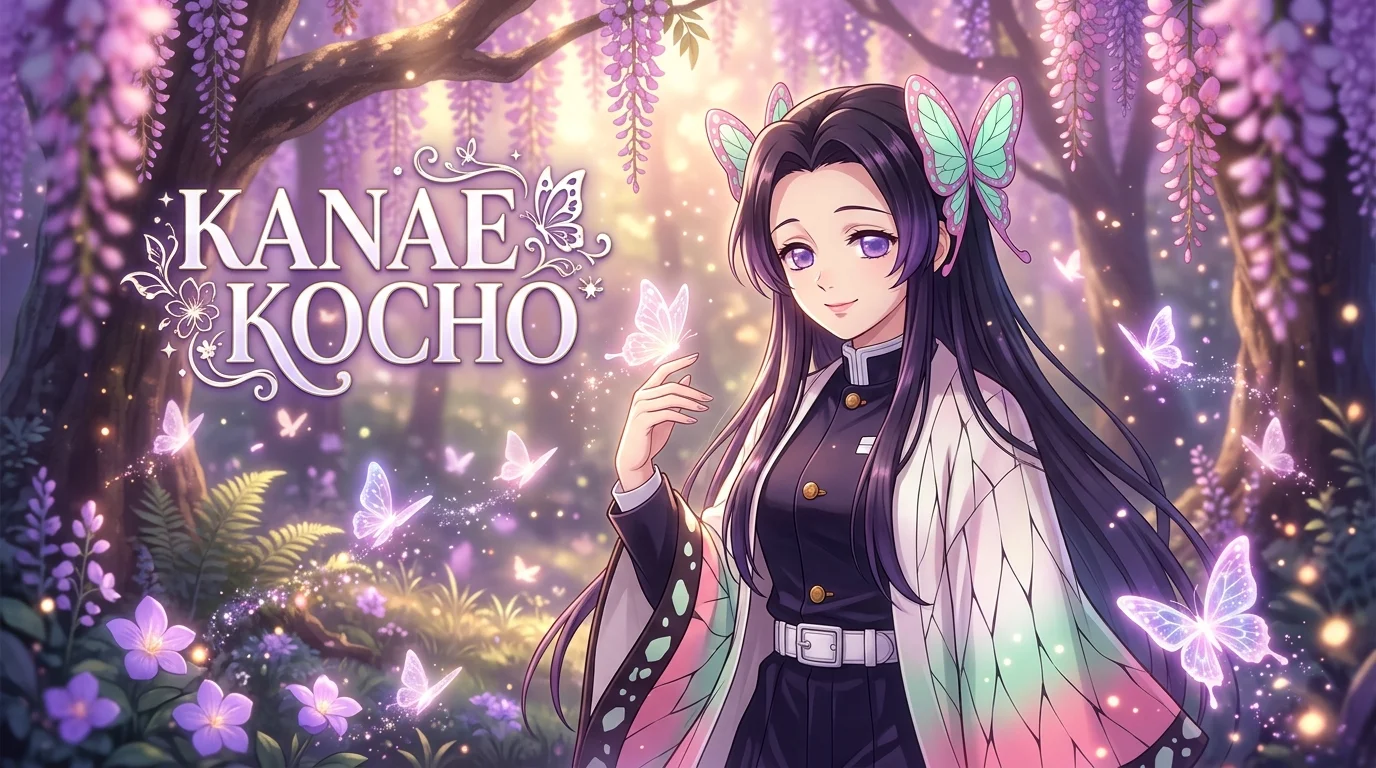
Kanae Kocho is the former Flower Hashira in Demon Slayer: Kimetsu no Yaiba. She is Shinobu Kocho’s older sister and Kanao Tsuyuri’s adoptive older sister. She dies before the main story, yet her death shapes several major characters.
Direct answer: Kanae was a Demon Slayer Corps member and the Flower Hashira. She used Flower Breathing and believed humans and demons might someday coexist. Doma, Upper Rank Two, fatally wounded her years before the main storyline.
Quick Facts About the Flower Hashira
| Fact | Detail |
|---|---|
| Full name | Kanae Kocho |
| Series | Demon Slayer: Kimetsu no Yaiba |
| Age | 17 |
| Affiliation | Demon Slayer Corps |
| Rank | Flower Hashira |
| Breathing Style | Flower Breathing |
| Younger sister | Shinobu Kocho |
| Adoptive younger sister | Kanao Tsuyuri |
| Status | Deceased |
| Killer | Doma, Upper Rank Two |
| Anime debut | Episode 24 |
| Manga introduction | Chapter 50, initially mentioned |
The commonly cited character profile lists her age as 17 and identifies Flower Breathing as her combat style. It also records her position as the former Flower Hashira. Her short screen presence contrasts with her unusually large influence on the story.
Key Takeaways
- She was Shinobu’s biological older sister.
- She and Shinobu entered the Corps after losing their parents to a demon.
- Gyomei Himejima helped set the sisters on their path toward becoming Demon Slayers.
- She became the Flower Hashira and mastered Flower Breathing.
- She helped rescue and raise Kanao Tsuyuri.
- Doma fatally wounded her before the central story begins.
- Her ideals strongly influence both Shinobu and Kanao.
Who Is Kanae Kocho in Demon Slayer?
Kanae Kocho is a supporting character whose importance comes mainly through memories, relationships, and consequences. She served among the Demon Slayer Corps’ highest-ranking fighters before her death. The official anime describes Hashira as the Corps’ highest-ranking swordsmen.
Her personality also distinguishes her from several other Demon Slayers. She is usually remembered as gentle, cheerful, and compassionate toward people around her. That kindness existed alongside enough fighting ability to become a Hashira.
That combination matters because the series often connects strength with emotional loss. Her response to tragedy was not simply anger or revenge. She continued hoping for a future where humans and demons could understand each other.
Readers interested in other memorable fictional personalities can also explore Newssnaut’s guide to funny movie characters and memorable screen personalities. The site’s broader entertainment coverage includes similar character-focused and pop-culture features.
Her Childhood With Shinobu
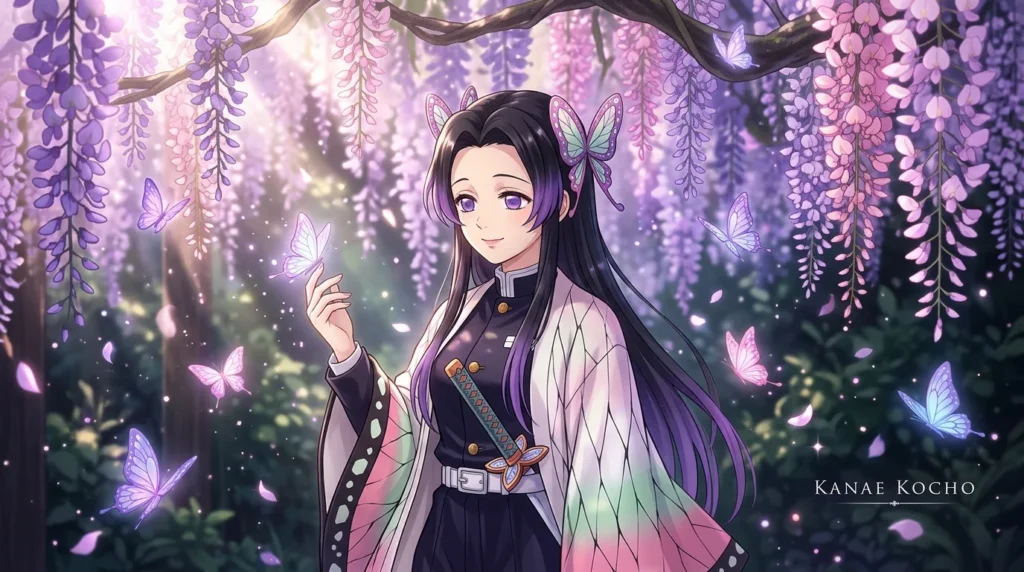
Kanae and Shinobu grew up together before a demon killed their parents. Gyomei Himejima saved the sisters during that attack. The experience led both girls to train as Demon Slayers.
VIZ’s description of One-Winged Butterfly adds background on their early training. The orphaned sisters ask Himejima to teach them how to fight demons. He eventually agrees to introduce them to trainers after they complete his difficult challenge.
The sisters therefore entered the Corps for deeply personal reasons. They wanted to prevent other families from experiencing the same loss. Their shared purpose later took different emotional turns.
How She Became the Flower Hashira
She eventually rose through the Corps and became the Flower Hashira. Her title came from her mastery of Flower Breathing. Character references also place her among Hashira during Sanemi Shinazugawa’s earlier period in the organization.
Flower Breathing is presented as her primary combat style. Unlike Shinobu, she used a more conventional sword-fighting approach capable of killing demons through decapitation. Her Hashira status indicates that her skills reached the organization’s elite level.
The series never gives viewers a long showcase of her abilities at full strength. Much of what audiences know comes from flashbacks and later references. That limited information makes it especially important to separate canon from fan speculation.
Kanae, Shinobu, and Kanao
The relationship between the three sisters explains much of her lasting importance. Shinobu is her younger biological sister, while Kanao later becomes part of their family. Each carries part of her influence after her death.
Kanae and Shinobu encounter Kanao while the traumatized child is being controlled by another person. They secure her freedom and bring her into their household. The sisters then give her safety, a name, and a place within their family.
Kanao initially struggles to make choices without receiving instructions. Her older adoptive sister gives her a coin to help with decisions. She believes Kanao will eventually learn to follow her own feelings.
That moment becomes more meaningful as Kanao’s character develops. Her growth centers partly on recognizing emotions and choosing for herself. Kanae’s early faith in her therefore continues long after the elder sister disappears.
Why Her Personality Matters
Her compassion contrasts sharply with Shinobu’s hidden anger. Kanae hoped that humans and demons might someday coexist. Shinobu later carries parts of that ideal while struggling with intense hatred toward demons.
The difference makes their relationship emotionally complicated rather than simple. Shinobu adopts the calm smile her sister wore. Beneath it, she carries grief and a growing desire to avenge her death.
This is one reason the character matters despite limited screen time. Her values survive through the people who loved her. Her absence becomes an active force within their decisions.
Who Killed Kanae Kocho?
Doma, the demon ranked Upper Two, killed her. The two fought several years before the main storyline. She was fatally injured during their confrontation.
She survived the immediate battle long enough to speak with Shinobu. Accounts of the confrontation say approaching daylight prevented Doma from finishing everything he intended. She then described her attacker to her younger sister.
Her final moments set up one of the series’ longest revenge threads. Shinobu remembers the description and eventually identifies Doma. That history becomes critical during the Infinity Castle storyline.
Why Doma’s Role Makes Her Death More Important
Doma isn’t just an unrelated demon who appears once. He later becomes directly connected with Shinobu and Kanao’s own stories. The official Infinity Castle cast identifies him as Upper Two.
Shinobu ultimately encounters the demon who killed her sister. Kanao also becomes involved in the conflict surrounding him. The confrontation therefore connects three generations of the Butterfly household’s emotional story.
This structure gives the earlier death continuing narrative weight. It creates motivation without requiring the deceased character to remain physically present. Viewers understand Shinobu’s decisions differently once that history becomes clear.
Her Influence on Shinobu Kocho
Shinobu becomes the Insect Hashira during the main story. Official character information describes her medical knowledge and poison-based fighting style. Her methods compensate for physical limitations that make conventional demon decapitation difficult.
Her sister’s death provides much of the emotional background behind Shinobu’s attitude toward demons. She can appear composed and friendly while carrying substantial anger. The tension between those qualities becomes central to understanding her character.
The connection grows even more important in Infinity Castle. The official U.S. site still identifies Shinobu as the Insect Hashira and Doma as Upper Two. Their eventual encounter brings the older tragedy back into the main narrative.
Her Influence on Kanao Tsuyuri
Kanao’s connection is quieter but equally important. She receives patience and trust at a time when trauma has made independent choices difficult. That support helps establish the emotional foundation for her later development.
The coin associated with decision-making becomes an important symbol. It represents the period when Kanao depended on chance because she struggled to express her own wishes. Her gradual independence fulfills the confidence her adoptive sister placed in her.
Kanao later becomes a capable Demon Slayer in her own right. The official Infinity Castle cast includes her among the characters entering the final conflict. Her presence connects the Butterfly family’s earlier history with the series’ closing battles.
Why She Remains Popular Despite Limited Screen Time
Some characters become memorable because they dominate episodes or battles. Kanae’s appeal works differently because viewers mostly understand her through the people she changed. Her kindness, death, and family connections add meaning to each appearance.
Her visual design also ties her closely to the Butterfly household. Butterfly motifs and the Flower Hashira identity reinforce that association. Fans can quickly connect her with Shinobu and Kanao even before learning every detail.
Her story also rewards viewers who revisit earlier scenes. Later revelations give previous memories greater emotional significance. That layered storytelling helps a minor supporting character feel much larger than her episode count suggests.
For more entertainment features about enduring pop-culture memories, Newssnaut also covers why nostalgic entertainment memories remain powerful in its Halloween nostalgia feature. That broader theme fits characters whose impact lasts beyond their limited appearances.
Is Kanae Stronger Than Shinobu?
The story doesn’t provide a clear numerical comparison between the sisters. They fight differently and developed distinct specialties. A direct power ranking would therefore require more speculation than canon evidence supports.
Kanae reached Hashira rank and used Flower Breathing with a standard sword. Shinobu also became a Hashira but developed poison-based techniques around her physical limitations. Their strengths cannot be safely reduced to a single statistic.
What can be said confidently is that both reached the Corps’ elite rank. Each adapted her skills to her own abilities and circumstances. That makes their differences more interesting than an unsupported declaration of a winner.
Frequently Asked Questions
How old is Kanae Kocho?
Kanae Kocho is commonly listed as 17 years old. Character reference material consistently gives 17 as her age. She dies before the central events involving Tanjiro and his companions.
Was she a Hashira?
Yes, she was the former Flower Hashira of the Demon Slayer Corps. Her Breathing Style was Flower Breathing. She held the position before the main storyline.
Is she Shinobu’s sister?
Yes, she is Shinobu’s biological older sister. The pair entered Demon Slayer training after their parents were killed. Their relationship becomes essential to Shinobu’s later motivations.
Is Kanao related to her?
Kanao is her adoptive younger sister, not a biological sibling. Kanae and Shinobu brought Kanao into their household after finding her in severe circumstances. Their support helped shape Kanao’s later emotional growth.
Who killed the Flower Hashira?
Doma, Upper Rank Two, fatally wounded her. She survived long enough to give Shinobu information about him. That information later becomes important to Doma’s revenge storyline.
In what episode does she first appear?
Common character references list her anime debut as Episode 24. Her manga introduction appears in Chapter 50, where she is first mentioned. Her story is later expanded through memories and supplementary material.
Why Her Legacy Matters
Her role shows that screen time does not always determine narrative importance. Her choices influence Shinobu’s identity, Kanao’s growth, and the conflict with Doma. Those effects keep her relevant long after her death.
She also represents a different response to the suffering caused by demons. Revenge matters within her family’s story, but compassion remains part of her legacy. That tension gives the Butterfly sisters much of their emotional depth.
For readers discovering Demon Slayer through the anime, her scenes deserve attention, not dismissal as minor flashbacks. They explain motivations that become much more important later. Visit Newssnaut’s Entertainment section for more character and pop-culture explainers.
