


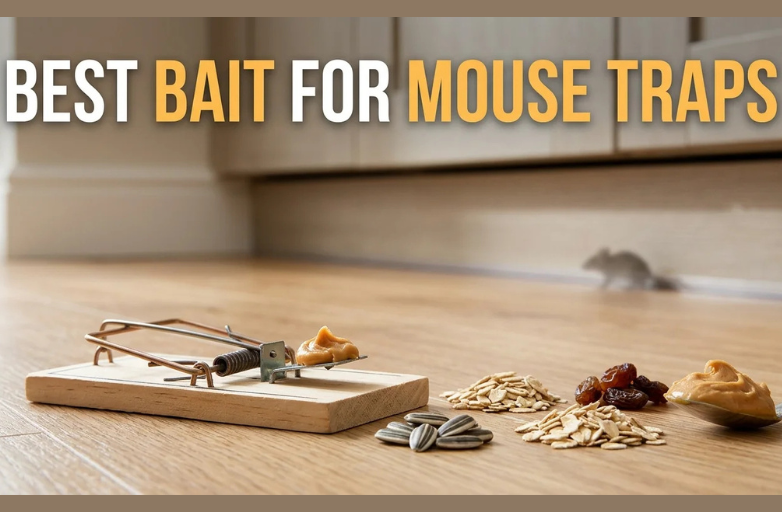
If you need the best bait for mouse traps, start with a small amount of peanut butter. Its strong smell attracts mice, while its sticky texture makes quick theft harder. The food mice already eat in your home can work even better. Bait choice matters, but quantity and trap placement matter just as much. A large glob lets mice feed without pressing the trigger. A small smear forces more contact with the trap mechanism.
Direct answer: Peanut butter is the best starting bait for most mouse traps. Use only a pea-sized amount and press it firmly into the trigger area. If mice ignore it, try their existing food source, chocolate, oats, seeds, or nesting material.
Quick Comparison of the Best Mouse Trap Baits
| Bait | Best Use | Main Advantage | Main Limitation |
|---|---|---|---|
| Peanut butter | Best first choice | Sticky, aromatic, easy to secure | Avoid around peanut allergies |
| Food mice already eat | Active kitchen or pantry infestations | Matches an established food preference | Requires finding their food source |
| Hazelnut spread | Alternative sweet bait | Sticky and strongly scented | Contains common allergens |
| Chocolate | Mice attracted to sweets | Strong smell and easy availability | Solid pieces can be stolen |
| Oats or cereal | Grain-feeding mice | Familiar food source | Loose pieces need securing |
| Seeds or nuts | Birdseed or pantry infestations | Matches natural feeding habits | Can fall off triggers |
| Cotton or dental floss | Food bait keeps disappearing | Encourages pulling behavior | Works best for nest-building mice |
Key Takeaways
* Start with a small smear of peanut butter. * Match bait to food mice are already stealing. * Use less bait rather than covering the trigger. * Secure solid bait so mice must pull or tug. * Put traps beside walls and signs of activity. * Try nesting material when food bait fails. * Keep every trap away from children and pets.
1. Peanut Butter Is the Best Starting Choice
Peanut butter earns the first position because several pest-control authorities recommend it. Its odor can attract mice from nearby hiding areas. Its sticky texture also encourages more interaction with the trigger. Use a small amount rather than a thick spoonful. Press the bait into grooves or onto the trigger’s center.
This approach makes a mouse work harder to remove it. Chunky peanut butter is specifically recommended in federal rodent-control guidance. Smooth peanut butter can still provide the useful sticky texture. The exact brand matters far less than the amount and placement. Peanut allergies create an important exception for some households. Avoid peanut-based bait where an allergic person could contact the trap. Choose another food or nesting material instead.
2. Use the Food Mice Are Already Eating
The most effective bait may already be sitting in your pantry. Mice develop feeding patterns around food they can reach reliably. Matching that food removes the need to introduce a new smell. Look near droppings, gnawed packages, cabinets, and pet feeding areas. Check for damaged cereal boxes, seed bags, snacks, or pet food.
Those clues show what the mice already recognize as food. Suppose mice keep chewing into a bag of birdseed. A few seeds secured to the trigger may outperform peanut butter there. The same logic applies to cereal, nuts, or dry pet food. This approach is especially useful after standard bait fails. Change one variable at a time so you know what improved results. Keep the trap location consistent while testing another lure.
3. Hazelnut Spread Works as a Sticky Alternative
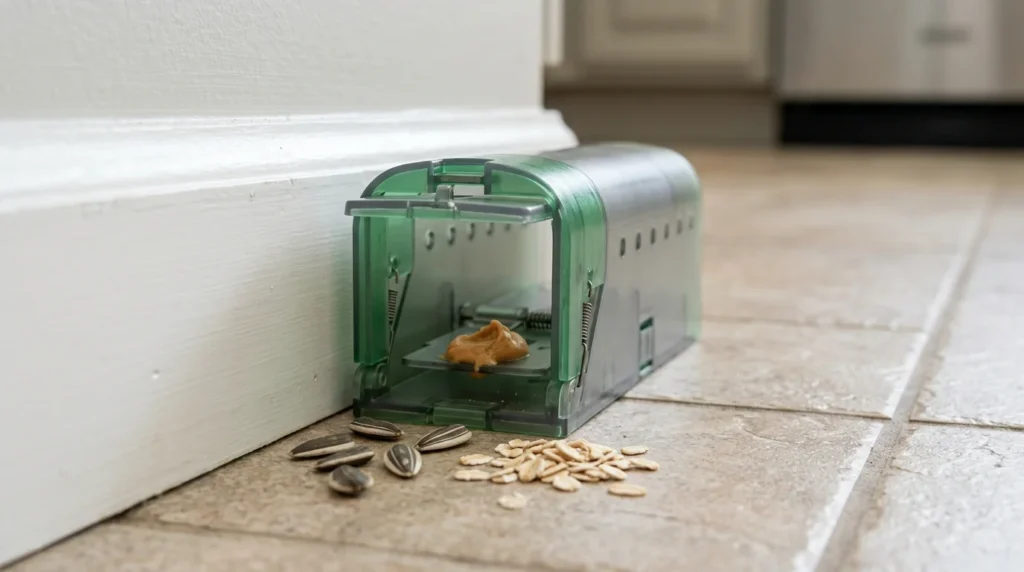
Hazelnut spread has several qualities that make peanut butter useful. It is sweet, strongly scented, and difficult to remove cleanly. A small smear can stay attached to many trigger designs. Use the same restrained amount you would use with peanut butter. More bait does not create a stronger trap.
It can instead give a mouse more food without forcing it to contact the trigger. Check the product ingredients before choosing this option. Hazelnut spreads may contain nuts, dairy, or other allergens. Household safety should outweigh convenience.
4. Chocolate Can Attract Sweet-Seeking Mice
Chocolate is another practical choice when a sweet bait fits the feeding pattern. Use a small soft piece or a thin smear when possible. Secure harder pieces so they cannot be lifted away. Chocolate becomes more useful when mice have already attacked candy or sweet foods. Existing feeding evidence is more valuable than assumptions about mouse preferences.
Watch what disappears before choosing your next bait. Avoid leaving large pieces on the trap. A mouse may grab the edge without touching the trigger. Smaller portions create more deliberate contact.
5. Oats, Seeds, and Nuts Can Match Pantry Activity
House mice often find grains and seeds near human food storage. Oats can therefore work well around cereal cupboards or feed storage. Seeds can make sense near bird feeders or damaged seed bags. Loose foods need careful placement because they are easy to steal. Press them into a sticky food when appropriate.
You can also secure larger pieces to compatible trap triggers. Follow the evidence around your home rather than constantly rotating random foods. Fresh gnawing and droppings identify active routes. Those locations deserve traps before quiet areas do.
6. Cotton and Dental Floss Can Work Without Food
Food is not the only thing that can attract a mouse. Nest-building mice may collect soft fibers for nesting material. Cotton wool and dental floss can therefore work as non-food lures. Attach a small amount firmly to the trigger. The mouse must pull the material rather than lick a surface.
That pulling action can make the trap easier to activate. Consider this method when bait repeatedly disappears overnight. It also avoids introducing another edible food source. Use clean material without strong chemical fragrances.
Best Bait for Mouse Traps When Nothing Seems to Work
Repeated bait theft usually means the setup needs adjustment. The problem may involve too much bait, poor placement, or an insensitive trigger. Changing foods alone may not solve it. First, reduce the amount to a small smear or piece. Then secure the lure directly to the trigger. Finally, move the trap closer to fresh droppings or gnaw marks.
Mice usually travel beside walls and sheltered edges. Place the baited end near the wall on compatible snap traps. Avoid putting traps randomly in the center of an open room. Using several traps can also improve results. One trap may miss several active routes through a kitchen or garage. Concentrate traps where physical evidence shows repeated activity.
How Much Bait Should You Put on a Mouse Trap?
Use less than you probably expect. A pea-sized amount is enough for most snap-trap setups. Large portions make bait easier to steal without firing the mechanism. Press sticky bait into the trigger instead of balancing it on top.
A mouse should need to lick, pull, or nibble directly over the mechanism. That physical interaction matters more than a large food reward. Refresh bait when it gets dirty, dries out, or becomes unavailable. Check traps regularly while activity continues. Reset them until fresh signs of mice stop appearing.
Where Should You Place Baited Mouse Traps?
Put traps where mice already travel. Good locations include walls, dark corners, cabinets, and spaces behind appliances. Droppings and gnaw marks provide useful placement clues. The kitchen often offers several productive locations.
Check behind refrigerators, stoves, and other large appliances. Mice often use these protected edges as travel routes. Garages, basements, attics, and crawlspaces can also show activity. Avoid placing traps where children or pets can reach them. Household safety should guide every placement decision. Pet owners should consider the entire room before setting traps. Food bowls can create competing food sources near a trap.
Broader household pet safety also matters when choosing accessible locations. Newssnaut readers with cats may also find the site’s guidance on household hazards useful. Its guide to toxic houseplants for cats explains why pet-accessible areas need careful planning.
The site’s cat heat-safety guide offers more practical home-safety reading. Dog owners may want similar awareness around low-level household exposures. Newssnaut’s Yorkie allergy guide discusses how environmental exposure affects sensitive households. Keeping animal-accessible areas controlled helps reduce several avoidable risks.
Common Mouse Trap Bait Mistakes
The first mistake is using too much food. Large portions let mice nibble from the edge. Small portions make them interact with the trigger. The second mistake is placing traps away from mouse travel paths. Attractive bait cannot help if the animal never encounters it. Fresh droppings are more useful than convenient open floor space.
The third mistake is replacing bait every night without fixing placement. Constantly moving traps makes it hard to learn what works. Test a consistent setup before changing another variable. The fourth mistake is relying on cheese because of cartoons. Cheese may attract a mouse, but stronger, more practical options exist. Peanut butter and established food sources should come first.
Mouse Trap Safety Around Children and Pets
Keep traps out of reach of children and pets. Mechanical traps can injure curious fingers, paws, or noses. Follow the trap manufacturer’s placement instructions every time. Be especially cautious with food bait around pets. Dogs and cats may investigate peanut butter, meat, or other scented foods. Protected trap locations reduce accidental contact.
Poison bait is different from ordinary food used on a trap. Rodenticides can present serious risks to people and animals. Follow product labels and consider professional help for persistent infestations.
Frequently Asked Questions
What is the best bait for mouse traps?
Peanut butter is the best starting choice for most household snap traps. Use a small smear pressed firmly onto the trigger. The food mice already steal may perform even better.
Is cheese good bait for mice?
Cheese can attract mice, but it should not be your first choice. Peanut butter is easier to secure and is more strongly recommended by pest-control experts. Existing food sources can also provide a better match.
Why does the mouse eat the bait without triggering the trap?
The bait may be too large or poorly attached. Reduce it to a small amount and secure it to the trigger. You may also need a more sensitive trigger setting.
How often should mouse trap bait be changed?
Change bait when it becomes dry, dirty, spoiled, or missing. Inspect traps regularly while you still see signs of mouse activity. Fresh bait helps preserve its smell and texture.
Can I use nesting material instead of food?
Yes, cotton wool or dental floss can attract nest-building mice. Attach a small amount securely to the trigger. This option is useful when food repeatedly disappears without a catch.
Does trap placement matter more than bait?
Placement can be as important as the lure itself. A well-baited trap cannot catch a mouse that never passes it. Put traps along walls and near fresh evidence of activity.
The Bottom Line
Start with peanut butter, but don’t rely on bait alone. Use a small amount, secure it properly, and place traps along active mouse routes. Switch to the food mice already eat when your first choice fails.
If food disappears without triggering the trap, reduce the portion before changing everything else. Try cotton or dental floss when food-based approaches keep failing. Persistent activity may require sealing entry points or getting professional pest-control help. —
