


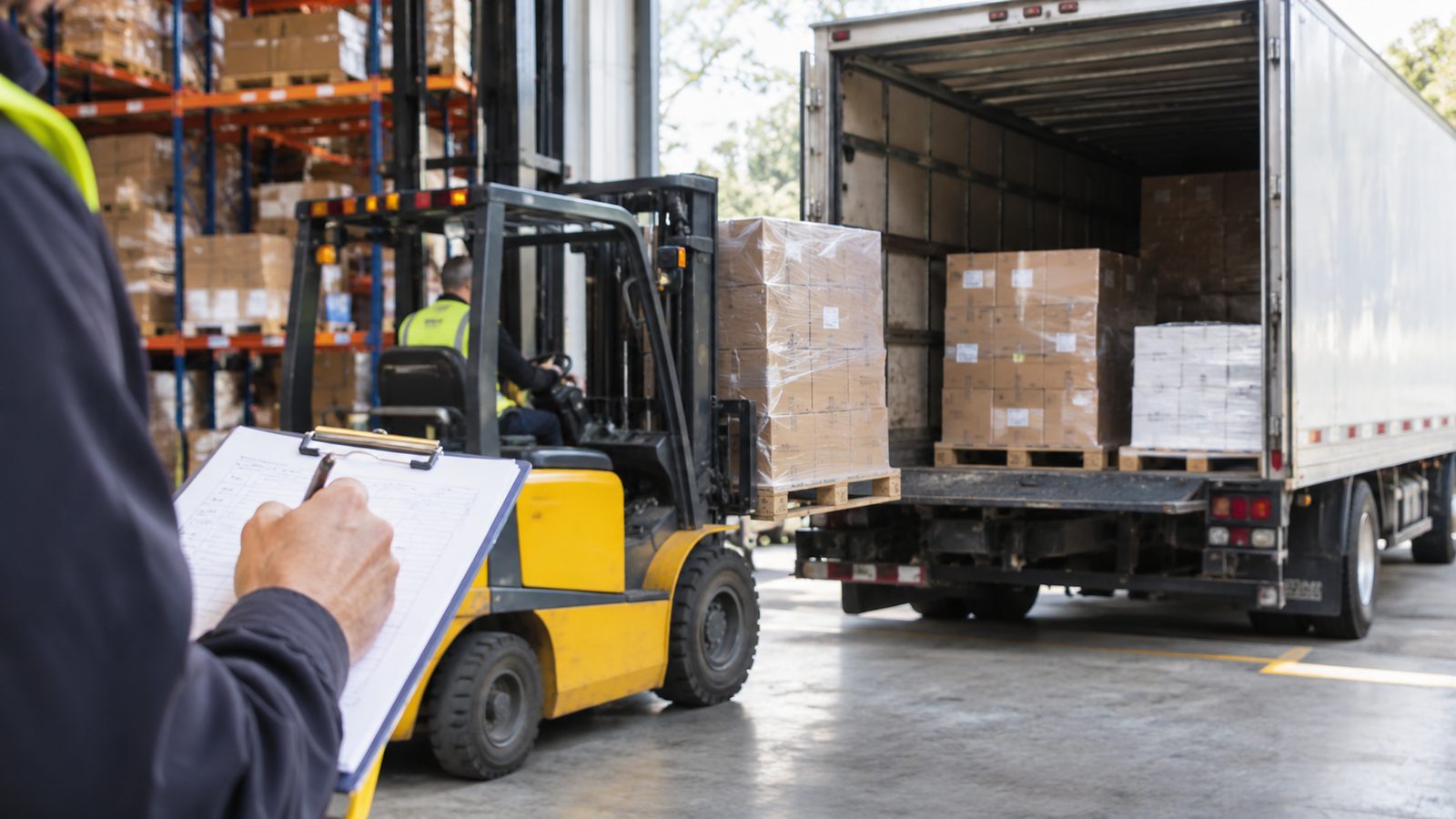
Less than a truckload shipping lets U.S. businesses move freight without reserving an entire trailer. Several shippers can share the same trailer capacity. This makes LTL useful for loads that have outgrown ordinary parcel service. Direct answer: LTL shipping moves freight that uses only part of a truck trailer. Carriers consolidate shipments from several customers and route them through their freight networks. Your costs depend on shipment characteristics, distance, freight classification, required services, and carrier terms.
LTL Shipping at a Glance
| Topic | What U.S. shippers should know |
|---|---|
| LTL meaning | Your freight shares trailer space with shipments from other customers |
| Typical packaging | Pallets, crates, or other forklift-ready handling units |
| Freight classification | NMFC freight class can affect rating and handling |
| Key measurements | Accurate packaged weight, length, width, and height |
| Main paperwork | A bill of lading records shipment and handling details |
| Common extra services | Liftgate, residential, limited-access, appointment, and inside services |
| Main alternatives | Parcel shipping and full truckload shipping |
| Cost drivers | Class, density, weight, dimensions, distance, services, and carrier terms |
Key Takeaways
- LTL works best when freight is too large for ordinary parcel service but does not need a full trailer.
- Accurate packaged dimensions and weight matter because they affect density and classification.
- NMFTA introduced major NMFC classification changes in July 2025, with more emphasis on density.
- Accessorial services should be identified before booking whenever possible.
- The bill of lading should accurately describe the freight, addresses, handling units, weight, and special requirements.
- Pallets need secure packaging because LTL freight can move through several terminals.
- Parcel, LTL, and FTL each suit different shipment profiles.
How Less Than a Truckload Shipping Works
An LTL carrier combines freight from multiple customers on one trailer. Each shipment moves toward its own final destination. Freight may pass through terminals where workers unload, sort, and reload handling units. That network design makes careful packaging especially important. Your pallet may be handled several times before delivery. Secure unitization reduces movement and protects cartons during normal terminal handling. LTL is not defined by one universal weight or pallet limit. Carrier rules and services vary across the United States. Always confirm a carrier’s current requirements before booking a shipment.
Understanding LTL Freight Class and NMFC
Freight class is a standardized way to categorize many LTL shipments. The National Motor Freight Classification, or NMFC, provides the classification framework. Freight classes help carriers account for transportation characteristics when rating shipments. Density is one important factor within classification. It compares shipment weight with the cubic space the packaged freight occupies. Dimensions should include the complete handling unit after palletizing and wrapping. NMFTA implemented significant classification changes in July 2025. In general terms, the changes moved many commodities toward density-based classification. NMFTA also expanded the density scale and updated many NMFC items. That shift makes accurate measurements even more important for affected freight. Do not rely on an old class from a previous shipment. Check current NMFC information or confirm classification with your carrier before tendering freight. Some commodities can still involve considerations beyond density. Handling, stowability, and liability may affect how particular items are classified. The safest approach is to use current NMFC information for the commodity you are shipping.
Why Accurate Density Matters
Density starts with the shipment’s final packaged dimensions. Measure the widest, longest, and highest points after preparation. Include the pallet and any packaging that increases the shipment’s footprint. Next, obtain the actual shipment weight. Do not base the declaration only on product weight. Pallets, crates, cartons, and protective materials add weight. Incorrect information can lead to a reweigh or reclassification. That can change the final transportation charge. Accurate data also helps carriers plan trailer space correctly.
What Accessorials Mean in LTL Shipping
Accessorials are services outside a carrier’s standard freight movement. They often require extra equipment, labor, time, or delivery planning. Applicable services can therefore affect the final shipping cost. A liftgate is a common example. It may be needed when a location lacks a loading dock or suitable unloading equipment. Shippers should check equipment availability at both pickup and delivery. Other common accessorials include:
- Residential pickup or delivery
- Limited-access locations
- Inside pickup or delivery
- Delivery appointments
- Advance delivery notification
- Liftgate service
- Redelivery
- Reconsignment
- Special handling required by the shipment
The exact definitions can differ between carrier tariffs. A school, construction site, storage facility, or secured facility may qualify as limited access. Ask the carrier how it defines the destination before booking. Disclose known service needs when requesting the shipment. A carrier can then plan the correct equipment and operating process. This also makes the initial cost estimate reflect more of the shipment’s actual requirements.
What Goes on an LTL Bill of Lading?
The bill of lading, commonly called a BOL, is a central freight document. It records key information about the shipment tendered to the carrier. It also supports the transportation agreement between the involved parties. A typical LTL BOL includes the following items.

- Shipper name, address, and contact information
- Consignee name, address, and contact information
- Number and type of handling units
- Accurate shipment weight
- Commodity description
- Freight class and relevant NMFC information
- Billing instructions
- Requested accessorial services
- Special handling information when required
Use a specific commodity description instead of vague wording. “Machined steel brackets” gives more useful information than “parts.” The description should agree with the freight that the carrier receives. Check the BOL before pickup. Weight, dimensions, piece counts, addresses, and special services should match the booked shipment. Correct paperwork can reduce preventable disputes later.
Pallets and Packaging for LTL Freight
LTL freight often travels as palletized or crated handling units. A forklift may move the shipment at several points. Packaging must therefore protect the goods during repeated loading and unloading. Choose a pallet that can support the shipment’s weight. Keep cartons inside the pallet footprint whenever practical. Overhang can expose products to impact and alter the shipment’s measured dimensions. Stack cartons in a stable pattern. Place heavier items lower when the product allows it. Avoid creating a top-heavy handling unit that can shift during transportation. Use stretch wrap, banding, corner boards, or other suitable restraints. Packaging choices should match the freight’s weight and fragility. Crates can provide more protection for machinery or irregular goods. Labels should remain visible after wrapping. Include destination and shipment identifiers required by the carrier. Remove unrelated old labels that could create confusion. For broader vehicle-related reading, Newssnaut also covers truck and automobile topics. Its Scania truck parts guide provides additional trucking context. Newssnaut’s Business section also covers operational topics for companies.
LTL vs. FTL vs. Parcel Shipping
The right mode depends on the physical shipment and service requirements. No single mode is cheapest for every shipment. Compare the complete operating needs instead of focusing only on weight.
| Factor | Parcel | LTL | FTL |
|---|---|---|---|
| Basic format | Individual packages | Shared trailer freight | Dedicated trailer |
| Common packaging | Boxes and parcels | Pallets, crates, handling units | Pallets, floor-loaded freight, or other truckload formats |
| Trailer space | Not booked as trailer capacity | Shared with other shippers | Dedicated to one shipment |
| Handling | Automated package networks | Terminal and forklift handling may occur | Usually less intermediate freight handling |
| Cost factors | Package size, weight, zone, service | Class, density, weight, dimensions, lane, services | Lane, equipment, distance, capacity, service requirements |
| Good fit | Smaller packaged goods | Mid-sized freight loads | Large, sensitive, or trailer-sized loads |
| Transit pattern | Parcel network | Consolidated freight network | Usually more direct |
When Parcel Makes More Sense
Parcel can work well for smaller individual packages. It avoids the need to palletize many ordinary consumer shipments. Parcel networks are also designed around high-volume package sorting. Large or heavy packages can become less suitable for parcel networks. Dimensional considerations and package restrictions may matter. Compare carrier requirements before moving bulky goods through parcel service.
When LTL Makes More Sense
LTL fits freight that needs palletized handling but does not require a dedicated trailer. It gives a shipper access to shared truck capacity. The tradeoff is more handling and a less direct network. This mode is common for commercial replenishment, wholesale orders, equipment, and manufacturing components. The shipment should tolerate ordinary freight-terminal handling. Strong packaging matters when several transfers are possible.
When FTL Makes More Sense
Full truckload reserves trailer capacity for one shipper’s load. It can make sense when freight occupies substantial trailer space. It may also suit cargo needing fewer intermediate handling events. FTL cost structures differ from LTL classification systems. Lane, equipment type, capacity, distance, and service requirements often matter. Shippers should compare the full operational requirements for each mode.
What Determines LTL Shipping Costs?
There is no reliable universal LTL price for every shipment. Carriers evaluate multiple shipment and network factors. Quoting an unsupported national rate would therefore be misleading. Important cost factors include the following.
- Origin and destination
- Shipment weight
- Packaged dimensions
- Density
- Freight class
- Commodity characteristics
- Number and type of handling units
- Required pickup or delivery services
- Fuel-related carrier charges
- Lane conditions and carrier capacity
- Service level
- Contract or account terms
Two visually similar pallets can produce different costs. Their weights, densities, destinations, or required services may differ. Accurate shipment data gives you a more useful carrier quote. Compare quotes using the same shipment information. Make sure each quote includes the same required accessorials. Otherwise, the lowest initial figure may not represent the same service.
A Practical LTL Booking Checklist
Use this checklist before requesting pickup:
- Measure the complete packaged handling unit.
- Weigh the freight after palletizing and wrapping.
- Describe the commodity specifically.
- Verify the current NMFC item and freight class when applicable.
- Confirm dock or forklift availability at both locations.
- Identify required accessorial services.
- Verify the complete delivery address and receiver contact.
- Prepare an accurate bill of lading.
- Secure the load for repeated handling.
- Confirm carrier-specific limits and service rules.
These steps reduce uncertainty before the carrier arrives. They also make quote comparisons more meaningful. A clean shipment record helps if questions appear after delivery.
Frequently Asked Questions
What is less than a truckload shipping?
Less than a truckload shipping means one shipment uses only part of a freight trailer. A carrier combines it with freight from other customers. LTL is often used for palletized loads that do not require a dedicated truck.
Does every LTL shipment use density to determine freight class?
Density has become more important across the NMFC system. NMFTA’s July 2025 changes moved many commodities toward density-based classification. Some classifications can still involve handling, stowability, liability, or commodity-specific provisions.
What changed with NMFC freight classification in July 2025?
NMFTA introduced broad changes effective in July 2025. Many items shifted toward density-based classification, and the density scale became more detailed. Shippers should verify today’s NMFC information instead of relying on older classifications.
What are common LTL accessorials?
Common accessorials include liftgate service, residential delivery, limited-access service, and delivery appointments. Inside service and redelivery can also apply in some situations. Definitions and billing rules vary among carriers.
Do I need a pallet for LTL freight?
Many LTL shipments are palletized because pallets create forklift-ready handling units. Some freight can move in crates or other approved packaging. The correct method depends on the commodity and carrier requirements.
What is the difference between an LTL quote and the final cost?
A quote uses the shipment information provided before pickup. Changes in weight, dimensions, classification, or services can affect final billing. Give the carrier accurate prepared-shipment details to improve quote accuracy.
Final Takeaway for U.S. Shippers
Successful LTL shipping starts before the truck arrives. Measure accurately, package securely, and identify special service needs early. Keep current classification information on your shipping documents. The 2025 NMFC changes made density more important for many commodities. That makes accurate packaged dimensions and weight especially useful. Check current NMFTA and carrier guidance whenever classification is uncertain. Choose parcel, LTL, or FTL based on the complete shipment profile. Compare handling needs, trailer space, service requirements, and cost factors together. That approach gives U.S. shippers a sound basis for selecting the right mode. —
